Fast first aid training is extreme by design. You are attempting to find out abilities that individuals cover in a complete day, typically in a limited half-day or express first aid course. The speed is quick, there is really little fluff, and you are examined almost as quickly as you find out something.
The great news: most people can pass a fast first aid course or express CPR training on the initial effort, also if they have not examined in years. The difference between those that pass pleasantly and those that scratch with is usually preparation and way of thinking, not raw talent.
I have actually shown first aid and CPR courses for more than a decade, consisting of fast first aid, fast CPR refresher course sessions, express child care first aid training, and combined first aid and CPR training classes. The patterns are very clear. If you understand what the trainers are in fact searching for, and you arrive all set to discover, your possibilities of entrusting a first aid certificate on the exact cpr Salisbury same day increase dramatically.
This guide will stroll you through what issues, what does not, and exactly how to pile the chances in your support for a first time pass.
What "fast" or "express" first aid truly means
Different service providers make use of different labels: fast first aid course, express first aid course, first aid and cpr training fast CPR courses, fast cpr, express cpr course. The framework differs, yet the core concept is comparable. You finish the same country wide acknowledged or certified first aid and CPR material, just in a pressed format.
The speed changes. The understanding goals do not.
In a typical first aid and CPR course, a trainer could invest a very long time telling stories, slowly constructing situations, and examining understanding after each small block of material. In a fast first aid training style, you get a concentrated description, you see the ability done when, you practice it briefly, then you relocate on.

From a learner's viewpoint, this has consequences.
First, you can not rely on repetition. You might only see CPR demonstrated two times prior to you are expected to execute efficient compressions in your evaluation.
Second, you must take obligation for your very own gaps. If you drift off for 5 minutes during a basic first aid course, the trainer might return to the topic once again later. In an express first aid course, that exact same five minute gap can suggest you miss out on the whole description of recuperation position.
Third, there is generally some kind of pre-course research. Numerous fast first aid courses shift theory web content right into pre-reading or online modules to keep face-to-face time concentrated on hands-on abilities. If you overlook that work, the classroom session will seem like an international language.
Passing a fast first aid course on the initial shot is a lot easier when you comprehend that profession: less classroom time, more responsibility on you.
Choosing the ideal fast first aid course for your goal
Not all first aid training is interchangeable. Before you schedule the closest fast first aid course near me search result, obtain clear on what you in fact need.
Workplace requirements, professional registration bodies, and childcare laws commonly define not just "first aid", however a specific sort of first aid and CPR course, or even a particular device code. An express child care first aid course, for example, commonly covers asthma and anaphylaxis procedures in far more deepness than a standard CPR course.
If your goal is simply personal - being able to assist friend or family - after that a basic first aid and CPR training course is usually enough. If you are an educator, early childhood years worker, physical fitness instructor, aged care worker, security officer, or similar, you may be called for to hold a certain fast certification that matches your role.
When considering carriers, inspect 3 things specifically:
Is the course country wide acknowledged or accepted by your sector regulatory authority or company? Does the fast first aid course or express cpr course consist of both theory and hands-on assessment on the day? Does the company clearly explain pre-course needs, such as on the internet discovering modules or reading?If those three are solid, fine information like area and car park matter greater than brand. A fast first aid course near me that you can really reach relaxed and in a timely manner is worth greater than a respected service provider that requires a 2 hour commute.
The night-before list that actually helps
The most significant blunders students make in fast first aid and cpr courses typically start prior to they also enter the classroom. Forget the concept of cramming truths from a large first aid manual at twelve o'clock at night. You will not be examined on rare textbook facts. You will be checked on whether you can smoothly and securely perform a sequence of actions on the floor and response simple questions.
Use your power on prep work that relocates the needle. Right here is a basic night-before strategy that I have actually seen repay for thousands of participants:
Complete any online or pre-course knowing, including tests, slowly enough to understand the reasoning, not just click through. Watch one reliable CPR training video and one fundamental bleeding control video clip, so the classroom abilities feel acquainted instead of new. Pack comfortable clothing that lets you kneel on the flooring and move openly - skirts that ride up or tight pants that cut into your knees make method painful and disruptive. Plan your travel and arrive 10 to 15 minutes early, so you are not rattled and entering as the instructor begins the safety and security instruction. Sleep. A worn out mind makes more errors during scenario assessments and struggles with easy recall inquiries.
Think of this as establishing yourself as much as soak up and do, not memorise and spit up. First aid has to do with clear reasoning under pressure, and that starts with not undermining on your own the night before.
What to expect on the day of your fast first aid course
Many learners walk into a fast first aid course with institution exam anxiousness. The atmosphere is really even more sensible and helpful than many people expect.
A normal fast first aid and cpr course day looks something similar to this:
Sign-in, fast documents check, often a confirmation of your completed online concept. Safety briefing, consisting of infection control, manual handling, and how to collaborate with manikins and training tools without injuring on your own. Short theory refreshers, commonly through interactive examining instead of lengthy lectures, to verify you have the basic ideas from pre-course work. Skill presentations adhered to by hands-on technique obstructs - CPR on grownups, infants, or youngsters, healing setting, taking care of blood loss, choking feedback, bronchial asthma, anaphylaxis, maybe fractures or burns depending upon the course. Formal analyses, which usually incorporate a functional presentation (as an example, 2 minutes of constant CPR with proper technique) and a theory part (composed solutions, verbal concerns, or multiple-choice examination).Fast cpr courses and express cpr training sessions are even more concentrated. You may only cover acknowledgment of heart attack, calling for help, utilizing an AED, and delivering compressions and breaths. The evaluations, nevertheless, are still taken seriously. You need to show that you can preserve correct depth and price, and adhere to the triggers on an AED trainer.
Understanding this arc assists you speed yourself. Do not shed all your concentrate on the initial skill block and after that emotionally clock out. Some of one of the most essential, greatly weighted evaluations - such as consolidated first aid and CPR situations - typically show up toward the end of the course.
The abilities that matter most in assessments
In every express first aid training area, someone will certainly obtain caught up in memorizing less critical facts and overlook the foundations that pass or fail first aid training facilities near me the course. Here is where to place your effort.
CPR: the non-negotiable core
First aid and CPR courses depend upon something: high quality CPR. If you can not do effective compressions, you will struggle to accomplish a first aid certificate, despite just how lovely you are in discussion.
Most fast CPR courses analyze the adhering to fairly:
Depth. For grownups, this typically implies pressing the chest at the very least one third of its depth, in technique generally in the 5 to 6 cm variety. Shallow compressions are a common factor for reassessment.
Rate. Target about 100 to 120 compressions per min. Fitness instructors do not anticipate robotic excellence, however they do require to see a consistent, vigorous rhythm, not frenzied battering or slow pressing.
Recoil. Permit the upper body to fully rise between compressions. Leaning on the upper body is a classic novice mistake, specifically when you are tired.
Hand setting. In the center of the upper body, reduced fifty percent of the sternum for grownups, proper method alterations for youngsters and infants.
Continuity. Marginal pauses. Beginning compressions without delay after recognising cardiac arrest, and only pause briefly for breaths or AED prompts.
Most modern-day manikins utilized in fast cpr correspondence course provide visual or distinct comments on deepness and price. Deal with that comments as your instructor, not as an aggravation. If you readjust when the lights reveal you are too shallow, you will likely do well in the official test.
Primary study and prioritisation
In fap first aid frameworks, or any organized first aid strategy, the main study is the backbone. It is the psychological list you go through when you initially approach a casualty: danger, feedback, air passage, breathing, flow, and more, relying on the standard set your course uses.
Assessment scenarios typically track your capacity to:
Check for threat to yourself and others prior to you touch the casualty.
Introduce yourself, ask for consent if appropriate, and analyze responsiveness.
Open the air passage correctly, especially in an unresponsive person.
Check for typical breathing properly, not simply "breast relocated once".
Decide whether to start CPR, location in recuperation position, or treat another concern such as extreme bleeding.
Many trainees concentrate on the prestige of bandaging and splints, and after that skip the standard safety actions. Instructors see that within seconds. If you can comfortably talk via your key survey while you act, you make their work a lot easier and your pass a lot more likely.
Bleeding, choking, and common emergencies
Depending on the certain first aid course, you will almost certainly be assessed on at the very least among the following:
Controlling external blood loss with straight pressure and dressings.
Managing choking in a responsive grownup, and recognizing how that changes for infants or expectant individuals.
Recognising and replying to asthma or anaphylaxis, including making use of inhalers or auto-injectors in child care or workplace contexts.
Handling unresponsive but breathing casualties, generally by demonstrating right healing position and continuous surveillance.
Express childcare first aid courses often add a lot more deepness on child-specific circumstances, such as febrile convulsions, allergic reactions in kids with treatment plans, and usual playground injuries.
You do not require medical school level knowledge. What instructors wish to see is proper use of standard strategies and sound judgment: you recognise a lethal trouble, you act quickly with the proper method, and you call for help appropriately.
How to research successfully for fast first aid and CPR assessments
Fast first aid courses compress time, not web content, so your research study method should be lean and concentrated. Many individuals over-read, under-practice, and show up mentally overloaded.
A far better pattern resembles this.
First, use the course's main learner guide, workbook, or on-line component as your main reference. Disregard the temptation to roam through arbitrary internet discussion forums that might utilize various guidelines or obsolete info. If your provider has a particular fap first aid guidebook or local standard set, stay with that.
Second, break web content into chunks based upon most likely assessments. For example, deal with CPR for grownups, CPR for infants, choking, bleeding, and recovery position as different micro-skills. For each, comprehend three things: when to utilize it, just how to do it, and usual mistakes.
Third, utilize energetic recall. Do not just review CPR actions. Close your eyes and chat on your own through what you would certainly do if a person broke down in front of you at the grocery store. Out loud, preferably. When you get stuck, open the book, proper yourself, then repeat the scenario.
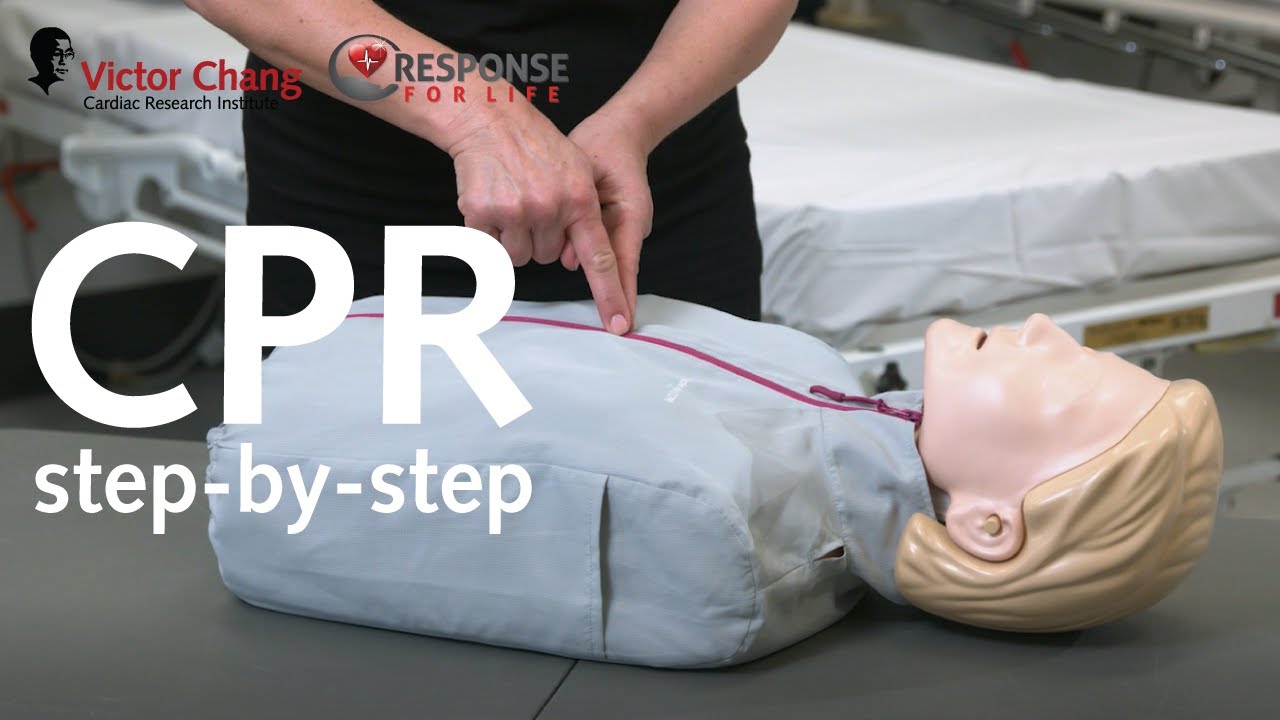
Fourth, visualise the atmosphere. If you recognize you will certainly be working with manikins, think of kneeling at their side, where your hands go, where your body weight is. If your course utilizes AED trainer tools, photo transforming one on and adhering to the motivates. This type of rehearsal seems straightforward, however it lowers hesitation when the assessment starts.
Finally, if you struggle with composed examinations, let your trainer understand early. Numerous suppliers can provide practical changes such as spoken questioning, longer time, or different styles, as long as the integrity of the first aid and cpr course is protected. They can not help you if they only learn when you hand in a blank test paper.
Managing nerves and carrying out under pressure
The most qualified pupils are not constantly the calmest. I have actually seen experienced childcare team, that take care of scratched knees daily, freeze during the official express childcare first aid course analysis due to the fact that they feel watched and judged. At the exact same time, complete newbies frequently do remarkably well, merely due to the fact that they pay attention, comply with directions, and do not overthink.
A few strategies assist nearly everyone.
Anchor on your own in the sequence, not the end result. Rather than thinking, "I need to pass this first aid certificate analysis or my task goes to threat", assume, "Today my work is simply to look for threat. Currently reaction. Currently air passage." Concentrate on the next right activity, not the whole scenario.
Talk your method through. Teachers examining fast first aid courses are paying attention as much as they are enjoying. If you claim, "I am checking for danger to myself and others. I am putting on handwear covers if readily available," that shows organized reasoning, also if your hands are a little clumsy at first.
Use the manikin as technique, not performance. During skill terminals ahead of evaluation, deal with every repetition as if it is the genuine thing. By the time the official test begins, your body will certainly recognize what to do, even if your ideas really feel scattered.
Breathe. It appears apparent, yet lots of people hold their breath while focusing. Short, superficial breathing enhances anxiety and makes you tire faster during CPR. A few slow exhalations prior to you start can resolve your hands.
Remember that review is typical. Also if you do miss a step, most trainers in fast first aid courses will offer a 2nd chance within the day. They desire you to be competent, not embarrassed. Recognizing that the first effort is not your only chance typically takes some stress off.
Common errors that mess up a first-time pass
With thousands of classes behind me, I can almost anticipate that will certainly have a hard time within the very first hour. The patterns are that regular. If you avoid these catches, you already improve your odds.
Arriving late or flustered. You miss out on the security instruction, really feel rushed, and invest the rest of the session on the back foot.
Skipping pre-course work. In fast first aid and cpr courses, trainers presume you already understand fundamental ideas. If you get here blank, the session ends up being remedial for you and annoying for everyone else.
Arguing standards rather than discovering them. There is constantly somebody that insists, "But on that TV program, they did CPR in different ways," or, "My uncle, that is a nurse, says you must do it in this manner." Guidelines transform, and courses are analyzed against present criteria. Even if you differ, you need to do the educated method to pass.
Underestimating the physical side. Fast cpr, specifically on adult manikins, is real work. Individuals with poor upper body stamina or injuries sometimes struck the wall throughout the evaluation due to the fact that they never practiced a complete 2 minutes of compressions in one burst. If this may be you, examination yourself carefully in your home on a company pillow or padding to assess your stamina.

Switching off after lunch. The last hour of a fast first aid course frequently includes essential mixed situations and assessments. I frequently see interest drift as people psychologically head home. Do not let your emphasis slip right before the finish line.
The factor is not to terrify you however to highlight that most barriers to passing are behavior, not intellectual. Show up ready, curious, and cooperative, and you will certainly already be in the leading fifty percent of the room.
Making your new abilities stick after you pass
Earning the certificate is something. Being able to act months later on when an actual emergency situation occurs is an additional degree. Fast certification styles are reliable, but knowledge can fade promptly if you never ever utilize it.
To maintain your first aid and CPR abilities fresh:
Review your notes or student overview within a week and once more at the one month mark. Short, spaced refresher courses aid safeguard against neglecting.
Teach a friend or member of the family one straightforward ability, such as exactly how to acknowledge heart attack and start CPR. Mentor is just one of the most effective methods to reinforce your very own understanding.
If your supplier offers optional short practice sessions, particularly for express cpr training, make the most of them. Also 15 mins on a manikin every couple of months can maintain your technique sharp.
Schedule your following fast cpr correspondence course as quickly as your certificate gets here, also if it is a year or even more away. Having the revival date in your schedule quits it from slipping up on you.
Stay interested when you run into genuine cases, even minor ones. If a kid in your treatment has a mild asthma flare, as an example, emotionally walk through how you would rise if it came to be serious. That mental wedding rehearsal keeps the choice pathways clear.
Fast first aid courses offer you an effective toolkit in a portable package. Passing on the very first try is less regarding cramming and a lot more about lining up exactly how you prepare with exactly how you will certainly be analyzed. Comprehend the framework, practice the core abilities, regard the physical work of CPR, and treat the day as a possibility to end up being reliably valuable to other individuals when they require it most.
Do that, and going out with your first aid certificate really feels much less like surviving an exam and even more like earning an obligation you prepare to carry.